


About Hinduism
Hinduism has been deeply interwoven with Nepal’s identity for thousands of years, shaping its culture, traditions, spirituality, and daily life. Nepal is home to Lord Pashupatinath, one of the holiest forms of Lord Shiva and the divine protector of all beings. The Pashupatinath Temple in Kathmandu, a UNESCO World Heritage site, stands as the spiritual heart of the nation, attracting millions of devotees each year. It symbolizes Nepal’s rich blend of devotion, tradition, and sacred heritage.
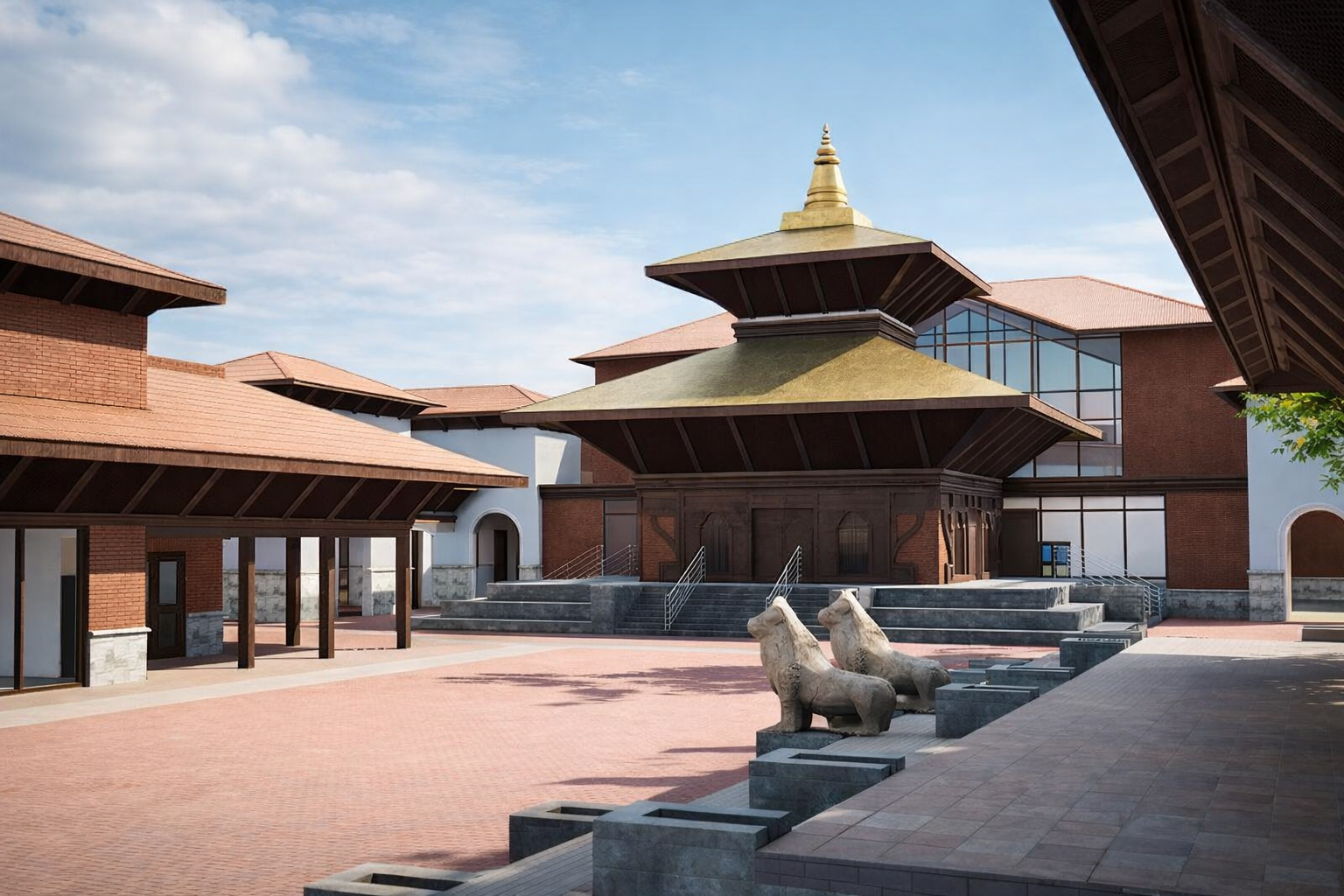
Shree Pashupatinath Temple in Euless, Texas was established to honor this very connection. Built by the Nepali community in the Dallas–Fort Worth region, the temple serves as a spiritual home away from home, bringing the blessings of Lord Pashupatinath to devotees living in the United States. It preserves Nepal’s authentic Hindu rituals, festivals, chants, and cultural values, ensuring that future generations can stay connected to their roots.
The temple reflects the unity of Nepal’s Hindu and Buddhist traditions, just as in Nepal itself, where both religions have coexisted harmoniously for centuries. Rituals such as Rudri, Abhishek, Teej, Janai Purnima, Shivaratri, Dashain, and Tihar are celebrated with the same devotion as in Nepal. For many Nepali families in Texas, the temple is not only a place of worship—it is a center for community gathering, cultural preservation, and spiritual grounding.
Shree Pashupatinath Temple in Euless stands as a bridge between ancient Nepali spirituality and the global Nepali diaspora. It keeps alive the timeless message of Lord Shiva—compassion, peace, protection, and inner strength—while strengthening the cultural identity of Nepalis living abroad.